<div id="attachment_28442" style="width: 585px" class="wp-caption aligncenter"><img loading="lazy" decoding="async" aria-describedby="caption-attachment-28442" class="wp-image-28442" src="https://www.oh-i-see.com/blog/wp-content/uploads/2019/06/fullsizeoutput_41a8-1024x768.jpeg" alt="An urban view of the Grand Canal, Dublin counters cultural stereotypes of Ireland as “quaint” and “rural.” (Image © Joyce McGreevy)" width="575" height="431" srcset="https://www.oh-i-see.com/blog/wp-content/uploads/2019/06/fullsizeoutput_41a8-1024x768.jpeg 1024w, https://www.oh-i-see.com/blog/wp-content/uploads/2019/06/fullsizeoutput_41a8-300x225.jpeg 300w, https://www.oh-i-see.com/blog/wp-content/uploads/2019/06/fullsizeoutput_41a8-768x576.jpeg 768w, https://www.oh-i-see.com/blog/wp-content/uploads/2019/06/fullsizeoutput_41a8-207x155.jpeg 207w" sizes="auto, (max-width: 575px) 100vw, 575px" /><p id="caption-attachment-28442" class="wp-caption-text">Beyond quaintness and cottages: This, too, is Ireland. <br /> © Joyce McGreevy</p></div>
<h2><strong>A Travel Guide to Cultural Stereotypes</strong></h2>
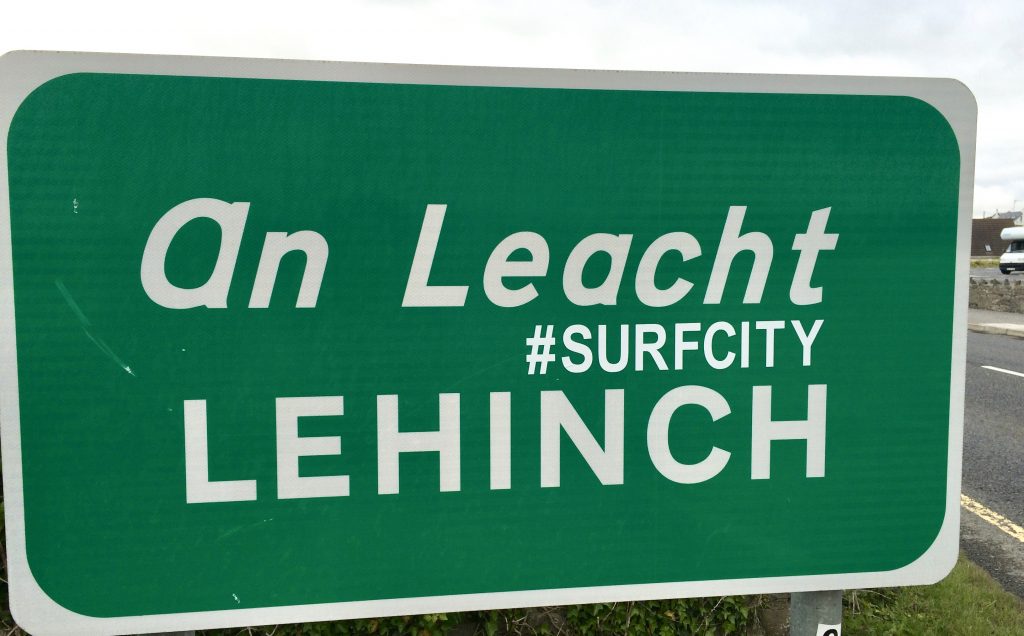
<p>“Do people in Ireland talk normal?” the 13-year-old girl asked me. “You know, do they say things like <em>cowabunga</em>?” As cultural stereotypes go, this was one of the more intriguing. I’d never thought of <em>cowabunga </em>as a barometer of normality.</p>
<p><em>Cowabunga</em> is a bundle of cultural stereotypes. Considered surfer slang, it’s a word no real surfer would utter. But actors playing surfers on <em>Gidget</em>, a popular ‘60s TV show, used it frequently. In the ‘90s, animated series like <em>Teenage Mutant Ninja Turtles</em> and <em>The Simpsons</em> resurrected <em>cowabunga</em>.</p>
<div id="attachment_28460" style="width: 570px" class="wp-caption aligncenter"><img loading="lazy" decoding="async" aria-describedby="caption-attachment-28460" class="wp-image-28460 size-large" src="https://www.oh-i-see.com/blog/wp-content/uploads/2019/06/fullsizeoutput_41d1-1024x636.jpeg" alt="A sign in Lahinch, Co. Clare shows that despite cultural stereotypes, surfing is popular in Ireland. (Image © Joyce McGreevy)" width="560" height="348" srcset="https://www.oh-i-see.com/blog/wp-content/uploads/2019/06/fullsizeoutput_41d1-1024x636.jpeg 1024w, https://www.oh-i-see.com/blog/wp-content/uploads/2019/06/fullsizeoutput_41d1-300x186.jpeg 300w, https://www.oh-i-see.com/blog/wp-content/uploads/2019/06/fullsizeoutput_41d1-768x477.jpeg 768w, https://www.oh-i-see.com/blog/wp-content/uploads/2019/06/fullsizeoutput_41d1-207x129.jpeg 207w" sizes="auto, (max-width: 560px) 100vw, 560px" /><p id="caption-attachment-28460" class="wp-caption-text">In Co. Clare, Ireland, surf&#8217;s up, but stereotypes are out. <br /> © Joyce McGreevy</p></div>
<p>It began in 1953 as <em>cowa-bonga</em>, a phony Native American word used by a phony Native American character called Chief Thunderthud on <em>The Howdy Doody Show</em>. Not that anyone would have said Native American then.</p>
<p>Today, we’re more PC, yet cultural stereotypes persist. Here are a few I&#8217;ve encountered.</p>
<h4><strong>Jollity On Demand</strong></h4>
<p>“People are so unfriendly there.” This is one I hear a lot about Eastern Europe. Sometimes even from people who have been there.</p>
<div id="attachment_28412" style="width: 485px" class="wp-caption aligncenter"><img loading="lazy" decoding="async" aria-describedby="caption-attachment-28412" class="wp-image-28412" src="https://www.oh-i-see.com/blog/wp-content/uploads/2017/06/fullsizeoutput_417e-768x1024.jpeg" alt="A statue of Tsar Samuil in Sofia, Bulgaria embodies cultural stereotypes tourists often have about so-called unfriendly Eastern Europeans. (Image © Joyce McGreevy)" width="475" height="633" srcset="https://www.oh-i-see.com/blog/wp-content/uploads/2017/06/fullsizeoutput_417e-768x1024.jpeg 768w, https://www.oh-i-see.com/blog/wp-content/uploads/2017/06/fullsizeoutput_417e-225x300.jpeg 225w, https://www.oh-i-see.com/blog/wp-content/uploads/2017/06/fullsizeoutput_417e-155x207.jpeg 155w, https://www.oh-i-see.com/blog/wp-content/uploads/2017/06/fullsizeoutput_417e-300x400.jpeg 300w" sizes="auto, (max-width: 475px) 100vw, 475px" /><p id="caption-attachment-28412" class="wp-caption-text">If this is your image of Eastern Europeans, you&#8217;re missing out royally.<br /> © Joyce McGreevy</p></div>
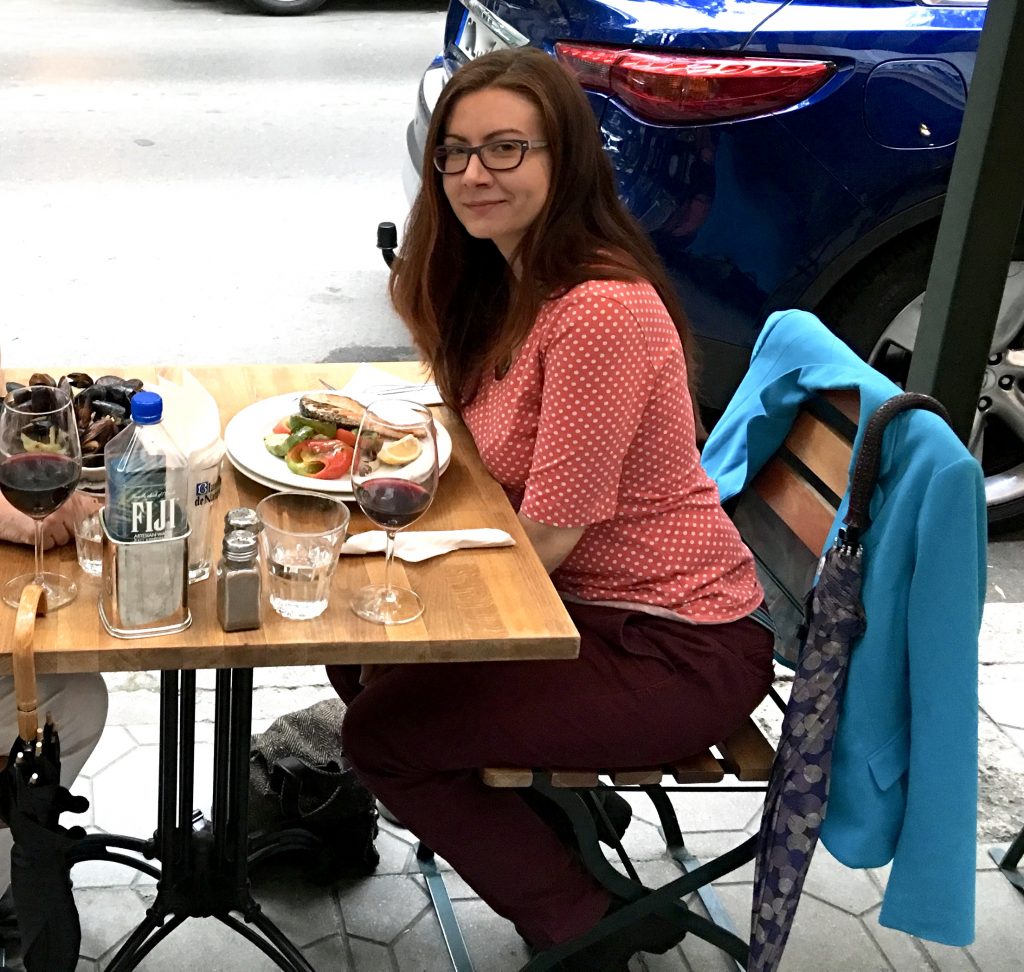
<p>There are entire threads on travel forums devoted to the question of whether people in Eastern European countries are friendly. How does this alleged lack of friendliness manifest? Do Bulgarians spit in your soup, Croatians curse your birthplace, Montenegrins shove you aside to cut in line?</p>
<p>None of the above. No, the Big Problem, say many first-time, short-stay visitors, is that Eastern Europeans don’t smile enough.</p>
<div id="attachment_28425" style="width: 570px" class="wp-caption aligncenter"><img loading="lazy" decoding="async" aria-describedby="caption-attachment-28425" class="wp-image-28425 size-large" src="https://www.oh-i-see.com/blog/wp-content/uploads/2019/06/fullsizeoutput_419f-1024x972.jpeg" alt="A smiling woman in Sofia, Bulgaria counters cultural stereotypes about so-called unfriendly Eastern Europeans. (Image © Joyce McGreevy)" width="560" height="532" srcset="https://www.oh-i-see.com/blog/wp-content/uploads/2019/06/fullsizeoutput_419f-1024x972.jpeg 1024w, https://www.oh-i-see.com/blog/wp-content/uploads/2019/06/fullsizeoutput_419f-300x285.jpeg 300w, https://www.oh-i-see.com/blog/wp-content/uploads/2019/06/fullsizeoutput_419f-768x729.jpeg 768w, https://www.oh-i-see.com/blog/wp-content/uploads/2019/06/fullsizeoutput_419f-207x196.jpeg 207w" sizes="auto, (max-width: 560px) 100vw, 560px" /><p id="caption-attachment-28425" class="wp-caption-text">A smile is not a commodity, but a response. Take the time to engage, listen, and learn. <br /> © Joyce McGreevy (in Sofia, Bulgaria)</p></div>
<p>Let me see if I understand.  We blitz through countries that for over 2,000 years have been invaded and occupied by everyone from the Goths to the Venetians to the Ottomans to the Soviets, yet we’re surprised if the locals fail to greet us with instant warmth?</p>
<div id="attachment_28415" style="width: 310px" class="wp-caption alignright"><img loading="lazy" decoding="async" aria-describedby="caption-attachment-28415" class="wp-image-28415" src="https://www.oh-i-see.com/blog/wp-content/uploads/2017/06/fullsizeoutput_419b.jpeg" alt="A smiling group of people in Sofia, Bulgaria counter cultural stereotypes about so-called unfriendly Eastern Europeans. (Image © Joyce McGreevy)" width="300" height="283" srcset="https://www.oh-i-see.com/blog/wp-content/uploads/2017/06/fullsizeoutput_419b.jpeg 288w, https://www.oh-i-see.com/blog/wp-content/uploads/2017/06/fullsizeoutput_419b-207x196.jpeg 207w" sizes="auto, (max-width: 300px) 100vw, 300px" /><p id="caption-attachment-28415" class="wp-caption-text">Oh, those &#8220;unfriendly&#8221; Europeans! <br /> © Joyce McGreevy</p></div>
<p>What if we decided to see what we could learn by practicing patience and respect for cultural differences?  What if that which we hastened to label “unfriendliness” was simply reserve?</p>
<p>As I talk with people in their home countries, there often comes a moment when the conversation shifts from a basic exchange of information into genuine connection. Those moments are why we travel.</p>
<p>Such moments don’t come instantaneously.</p>
<p>But what about instances of undeniable, <em>cannot-believe-they-said-that</em> rudeness?</p>
<p>Let me ask you: Have you ever encountered rudeness in your own country? And if so, did you extrapolate from said rudeness that everyone in your country must be rude? (Except you of course.) I’m guessing not.</p>
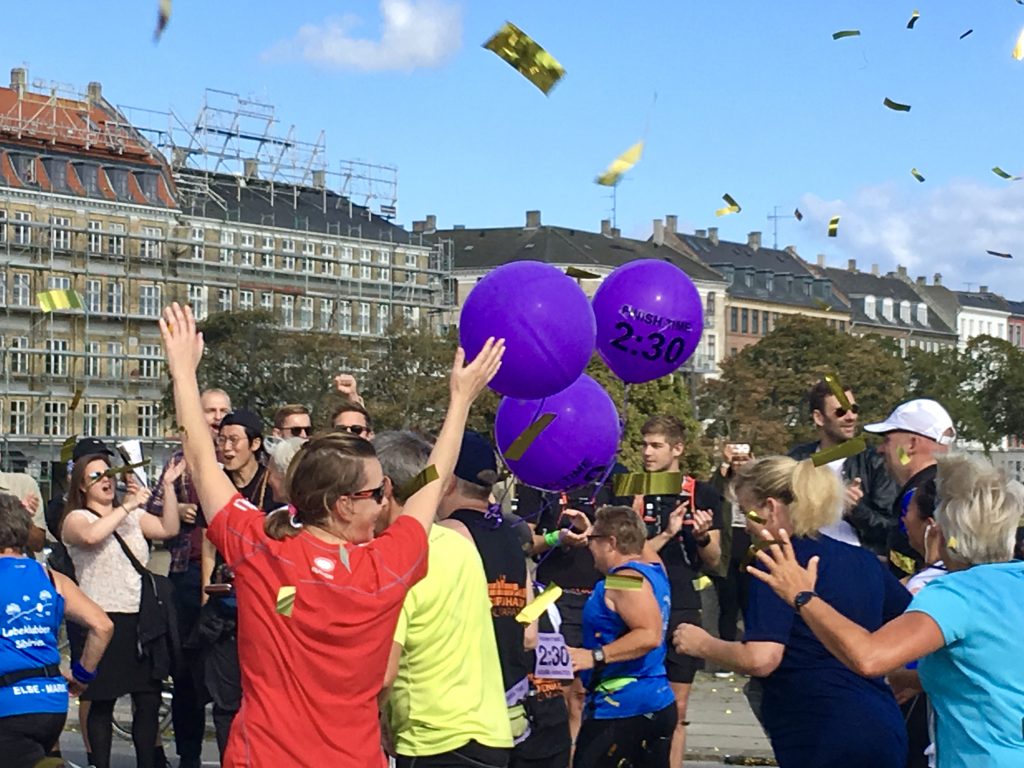
<p><strong>Oh, I see</strong>: Wherever we go, whoever we meet, we’re complex individuals interacting with other complex individuals.</p>
<div id="attachment_28418" style="width: 570px" class="wp-caption aligncenter"><img loading="lazy" decoding="async" aria-describedby="caption-attachment-28418" class="size-large wp-image-28418" src="https://www.oh-i-see.com/blog/wp-content/uploads/2017/06/fullsizeoutput_4188-1024x768.jpeg" alt="alt tk" width="560" height="420" srcset="https://www.oh-i-see.com/blog/wp-content/uploads/2017/06/fullsizeoutput_4188-1024x768.jpeg 1024w, https://www.oh-i-see.com/blog/wp-content/uploads/2017/06/fullsizeoutput_4188-300x225.jpeg 300w, https://www.oh-i-see.com/blog/wp-content/uploads/2017/06/fullsizeoutput_4188-768x576.jpeg 768w, https://www.oh-i-see.com/blog/wp-content/uploads/2017/06/fullsizeoutput_4188-207x155.jpeg 207w" sizes="auto, (max-width: 560px) 100vw, 560px" /><p id="caption-attachment-28418" class="wp-caption-text">Good things happen when we remember we&#8217;re all in the human race together.<br />© Joyce McGreevy (in Copenhagen, Denmark)</p></div>
<h4><strong>Dishing the Dirt</strong></h4>
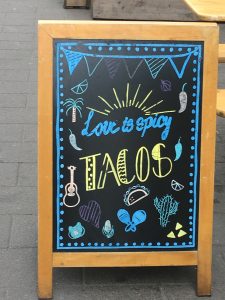
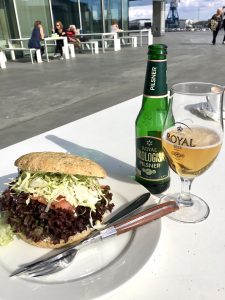
<p>Food stereotypes make me do a slow boil. According to food stereotypes, Chicagoans are obsessed with deep-dish pizza, the Nordic diet consists solely of pickled fish, Tuscan food is overindulgent, and Irish cuisine is a contradiction in terms.</p>
<div id="attachment_28436" style="width: 260px" class="wp-caption alignleft"><img loading="lazy" decoding="async" aria-describedby="caption-attachment-28436" class="wp-image-28436" src="https://www.oh-i-see.com/blog/wp-content/uploads/2019/06/IMG_2986-e1496528083988-225x300.jpg" alt="A sign advertising tacos in Copenhagen counters cultural stereotypes about dining in Denmark. (Image © Joyce McGreevy)" width="250" height="333" srcset="https://www.oh-i-see.com/blog/wp-content/uploads/2019/06/IMG_2986-e1496528083988-225x300.jpg 225w, https://www.oh-i-see.com/blog/wp-content/uploads/2019/06/IMG_2986-e1496528083988-768x1024.jpg 768w, https://www.oh-i-see.com/blog/wp-content/uploads/2019/06/IMG_2986-e1496528083988-155x207.jpg 155w, https://www.oh-i-see.com/blog/wp-content/uploads/2019/06/IMG_2986-e1496528083988-300x400.jpg 300w" sizes="auto, (max-width: 250px) 100vw, 250px" /><p id="caption-attachment-28436" class="wp-caption-text">From tacos to traditional Nordic&#8230;<br /> © Joyce McGreevy</p></div>
<div id="attachment_28434" style="width: 260px" class="wp-caption alignleft"><img loading="lazy" decoding="async" aria-describedby="caption-attachment-28434" class="wp-image-28434" src="https://www.oh-i-see.com/blog/wp-content/uploads/2019/06/fullsizeoutput_4192-225x300.jpeg" alt="A sandwich and beer in Aarhus inspire a writer to dispel cultural stereotypes about Danish cuisine. (Image © Joyce McGreevy)" width="250" height="333" srcset="https://www.oh-i-see.com/blog/wp-content/uploads/2019/06/fullsizeoutput_4192-225x300.jpeg 225w, https://www.oh-i-see.com/blog/wp-content/uploads/2019/06/fullsizeoutput_4192-768x1024.jpeg 768w, https://www.oh-i-see.com/blog/wp-content/uploads/2019/06/fullsizeoutput_4192-155x207.jpeg 155w, https://www.oh-i-see.com/blog/wp-content/uploads/2019/06/fullsizeoutput_4192-300x400.jpeg 300w" sizes="auto, (max-width: 250px) 100vw, 250px" /><p id="caption-attachment-28434" class="wp-caption-text">food is deliciously diverse in Denmark!<br /> © Joyce McGreevy</p></div>
<p>Only it’s just not true.</p>
<p>Tuscany is where I learned how to transform leftovers into frugal feasts. Today’s Nordic menus are wildly diverse.  Deep dish? <em>Pull-eeze.</em> Chicago’s 77 neighborhoods offer a world tour of culinary traditions.</p>
<h4><strong>When Things Change, But Stereotypes Persist</strong></h4>
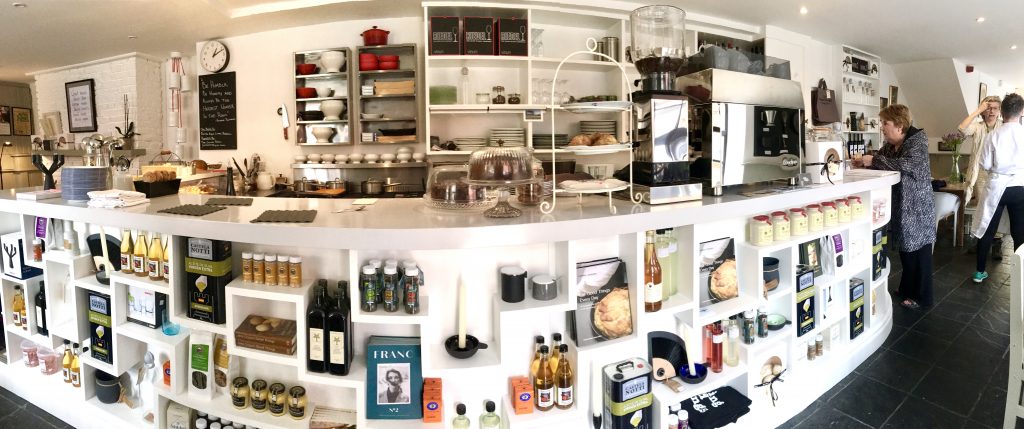
<p>As for Ireland, oh what a drubbing it once took from critics. “The drama of Irish cuisine is not that it is bad. It’s that the Irish believe it is very good.”  So sneered the authors of a French travel guide in 1964.</p>
<div id="attachment_28430" style="width: 570px" class="wp-caption aligncenter"><img loading="lazy" decoding="async" aria-describedby="caption-attachment-28430" class="wp-image-28430 size-large" src="https://www.oh-i-see.com/blog/wp-content/uploads/2019/06/fullsizeoutput_4172-1024x429.jpeg" alt="Good Things Café &amp; Cookery School in Skibbereen, Co. Cork counters cultural stereotypes about dining in Ireland. (Image © Joyce McGreevy)" width="560" height="235" srcset="https://www.oh-i-see.com/blog/wp-content/uploads/2019/06/fullsizeoutput_4172-1024x429.jpeg 1024w, https://www.oh-i-see.com/blog/wp-content/uploads/2019/06/fullsizeoutput_4172-300x126.jpeg 300w, https://www.oh-i-see.com/blog/wp-content/uploads/2019/06/fullsizeoutput_4172-768x322.jpeg 768w, https://www.oh-i-see.com/blog/wp-content/uploads/2019/06/fullsizeoutput_4172-207x87.jpeg 207w" sizes="auto, (max-width: 560px) 100vw, 560px" /><p id="caption-attachment-28430" class="wp-caption-text">Good Things Café &amp; Cookery School typifies today&#8217;s Irish cuisine: organic and artfully prepared. <br /> © Joyce McGreevy (in Skibbereen, Co. Cork)</p></div>
<p>Today, Irish chefs and home cooks are transforming organic resources, artisanal traditions, and creative innovation into superb everyday dining experiences.</p>
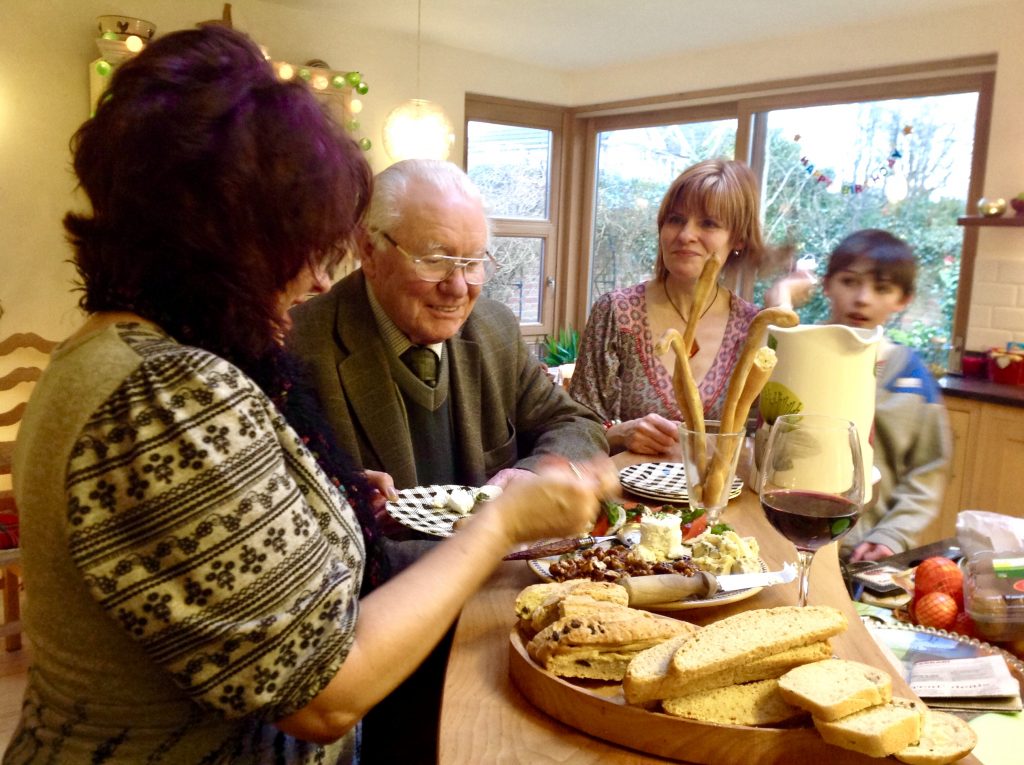
<p>But outdated cultural stereotypes stick like burned rice.</p>
<div id="attachment_28432" style="width: 570px" class="wp-caption aligncenter"><img loading="lazy" decoding="async" aria-describedby="caption-attachment-28432" class="wp-image-28432 size-large" src="https://www.oh-i-see.com/blog/wp-content/uploads/2019/06/fullsizeoutput_4168-1024x765.jpeg" alt="People enjoying home cooking in Galway counter cultural stereotypes about Irish cuisine. (Image © Joyce McGreevy)" width="560" height="418" srcset="https://www.oh-i-see.com/blog/wp-content/uploads/2019/06/fullsizeoutput_4168-1024x765.jpeg 1024w, https://www.oh-i-see.com/blog/wp-content/uploads/2019/06/fullsizeoutput_4168-300x224.jpeg 300w, https://www.oh-i-see.com/blog/wp-content/uploads/2019/06/fullsizeoutput_4168-768x574.jpeg 768w, https://www.oh-i-see.com/blog/wp-content/uploads/2019/06/fullsizeoutput_4168-207x155.jpeg 207w" sizes="auto, (max-width: 560px) 100vw, 560px" /><p id="caption-attachment-28432" class="wp-caption-text">Despite the stereotypes, Corned Beef &amp; Cabbage was never popular in Ireland. <br /> Try homemade pâté, fresh-baked breads, and local cheeses. <br /> © Joyce McGreevy</p></div>
<h4><strong>The Quaintness Stereotype</strong></h4>
<p>One of the most entrenched stereotypes is the idea that whatever country “we” are from is always ahead of the curve, while &#8220;those other&#8221; countries struggle to catch up.</p>
<p>When I was living in Ireland, some American friends would say, “You don’t have electricity there, right?” I hasten to add this was in the 1980s, not the 1880s.</p>
<p>“That&#8217;s right,” I’d chirp. “We line the airport runways with candles and flap our auld arms for takeoff.”</p>
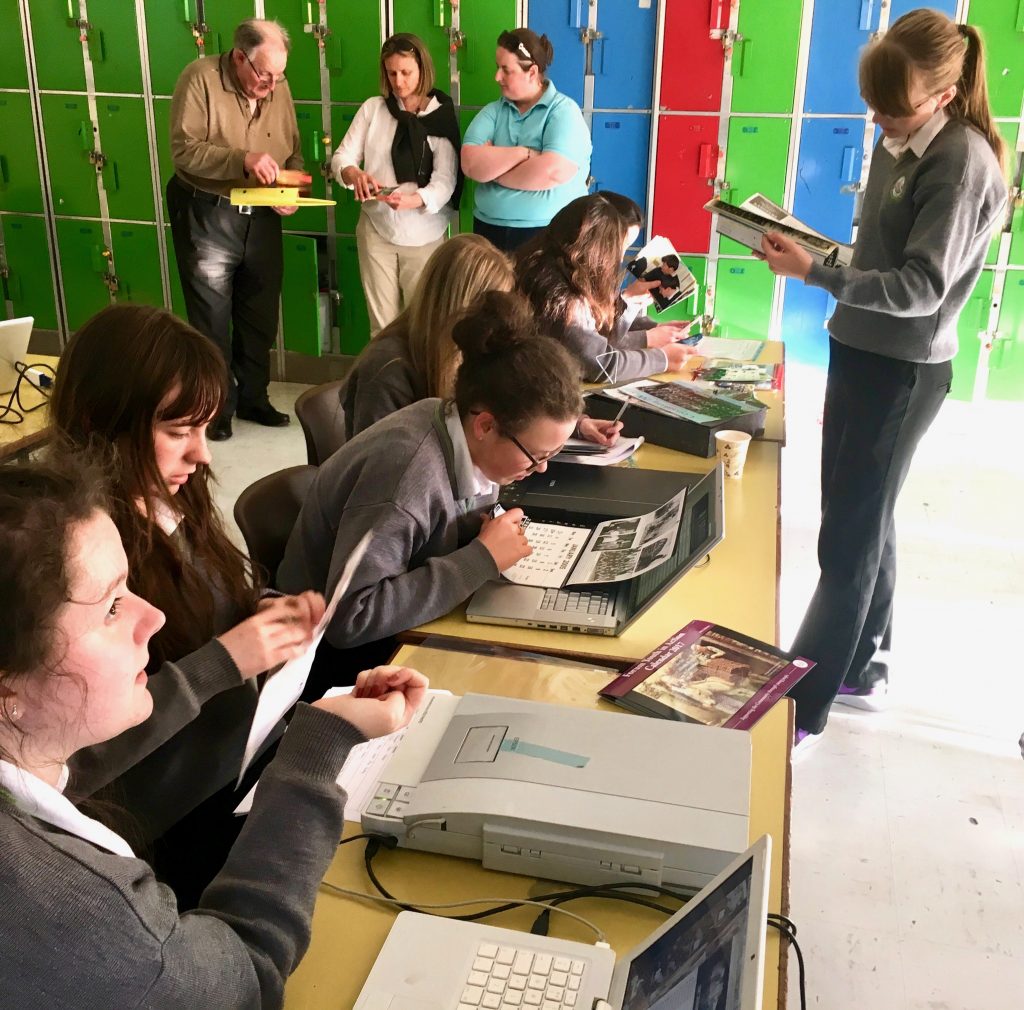
<div id="attachment_28448" style="width: 570px" class="wp-caption aligncenter"><img loading="lazy" decoding="async" aria-describedby="caption-attachment-28448" class="wp-image-28448 size-large" src="https://www.oh-i-see.com/blog/wp-content/uploads/2019/06/FullSizeRender1-2-1024x1010.jpg" alt="People at a digital archiving class in Clifden counter cultural stereotypes about Ireland, a leader in technology. (Image © Brendan “Speedie” Smith)" width="560" height="552" srcset="https://www.oh-i-see.com/blog/wp-content/uploads/2019/06/FullSizeRender1-2-1024x1010.jpg 1024w, https://www.oh-i-see.com/blog/wp-content/uploads/2019/06/FullSizeRender1-2-300x296.jpg 300w, https://www.oh-i-see.com/blog/wp-content/uploads/2019/06/FullSizeRender1-2-768x758.jpg 768w, https://www.oh-i-see.com/blog/wp-content/uploads/2019/06/FullSizeRender1-2-207x204.jpg 207w" sizes="auto, (max-width: 560px) 100vw, 560px" /><p id="caption-attachment-28448" class="wp-caption-text">In Clifden, Ireland, neighbors gather to digitize, tag, and annotate images of days gone by. <br /> © Brendan &#8220;Speedie&#8221; Smith</p></div>
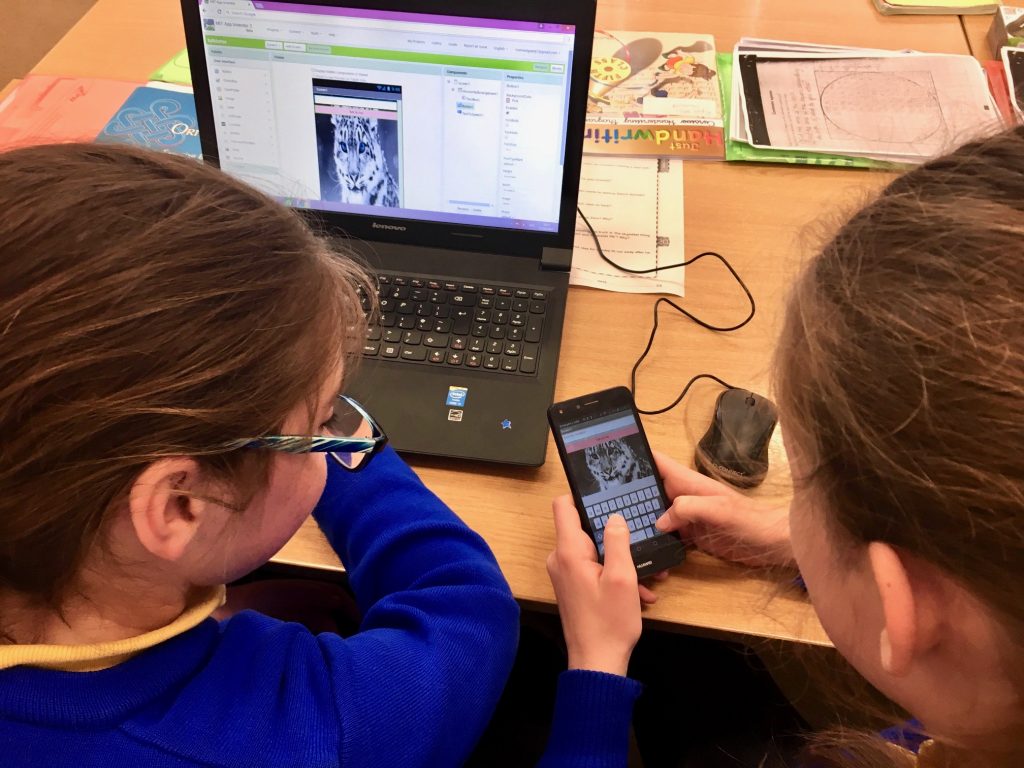
<p>In fact, my first job in Ireland is what introduced me to technology. Back in the ‘70s, many a Galway University graduate worked by computer. The Irish have always been early adapters and innovators of technology, which plays a critical role in the economy.</p>
<div id="attachment_28449" style="width: 570px" class="wp-caption aligncenter"><img loading="lazy" decoding="async" aria-describedby="caption-attachment-28449" class="wp-image-28449 size-large" src="https://www.oh-i-see.com/blog/wp-content/uploads/2019/06/IMG_3107-2-1024x768.jpg" alt="Students in a coding and app making class in Galway counter cultural stereotypes about Ireland, a leader in technology. (Image © Brendan “Speedie” Smith)" width="560" height="420" srcset="https://www.oh-i-see.com/blog/wp-content/uploads/2019/06/IMG_3107-2-1024x768.jpg 1024w, https://www.oh-i-see.com/blog/wp-content/uploads/2019/06/IMG_3107-2-300x225.jpg 300w, https://www.oh-i-see.com/blog/wp-content/uploads/2019/06/IMG_3107-2-768x576.jpg 768w, https://www.oh-i-see.com/blog/wp-content/uploads/2019/06/IMG_3107-2-207x155.jpg 207w, https://www.oh-i-see.com/blog/wp-content/uploads/2019/06/IMG_3107-2.jpg 2016w" sizes="auto, (max-width: 560px) 100vw, 560px" /><p id="caption-attachment-28449" class="wp-caption-text">In Ireland, app-making and coding are part of primary (elementary) school curricula. <br /> © Brendan &#8220;Speedie&#8221; Smith</p></div>
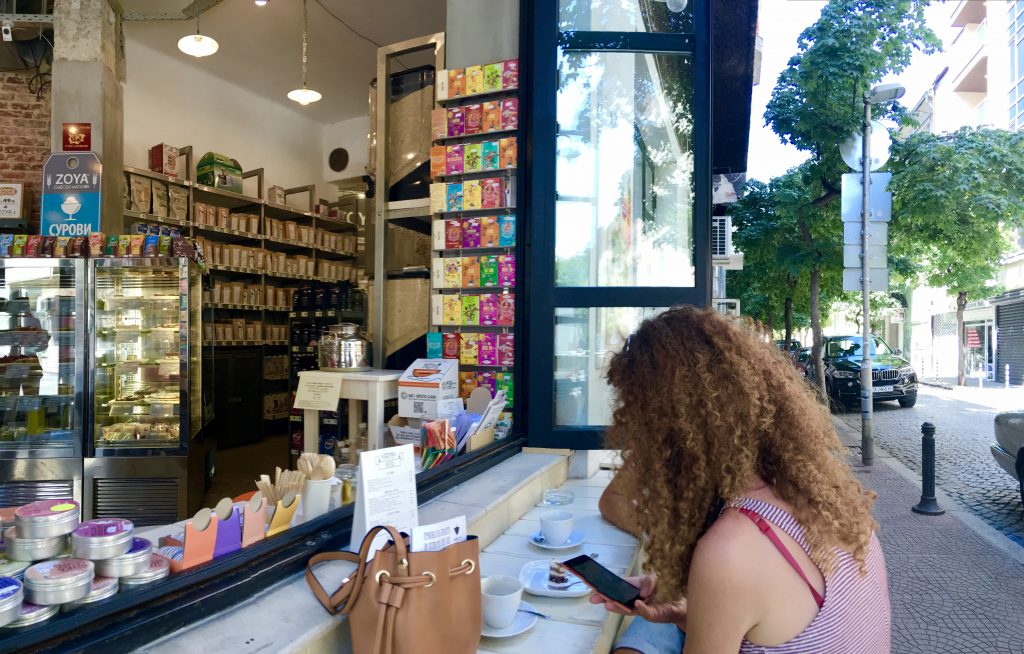
<p>Likewise, texting was commonplace in Europe and Asia long before it caught on in the U.S. As Scott Campbell, professor of telecommunications at the University of Michigan explained in a 2012 CNN interview, texting was slow to take off in America because differing networks did not work well together in the early days of mobile communication.”</p>
<div id="attachment_28440" style="width: 570px" class="wp-caption aligncenter"><img loading="lazy" decoding="async" aria-describedby="caption-attachment-28440" class="wp-image-28440 size-large" src="https://www.oh-i-see.com/blog/wp-content/uploads/2019/06/fullsizeoutput_f1a-1024x654.jpeg" alt="A woman using a smartphone in Sofia, Bulgaria counters cultural stereotypes about Eastern Europeans and technology. (Image © Joyce McGreevy)" width="560" height="358" srcset="https://www.oh-i-see.com/blog/wp-content/uploads/2019/06/fullsizeoutput_f1a-1024x654.jpeg 1024w, https://www.oh-i-see.com/blog/wp-content/uploads/2019/06/fullsizeoutput_f1a-300x192.jpeg 300w, https://www.oh-i-see.com/blog/wp-content/uploads/2019/06/fullsizeoutput_f1a-768x491.jpeg 768w, https://www.oh-i-see.com/blog/wp-content/uploads/2019/06/fullsizeoutput_f1a-207x132.jpeg 207w" sizes="auto, (max-width: 560px) 100vw, 560px" /><p id="caption-attachment-28440" class="wp-caption-text">As of 2017, 97% of Bulgarians use cellphones, compared to 95% of Americans. <br /> © Joyce McGreevy</p></div>
<p><strong>An End to Cultural Stereotypes</strong><br />
So how do we put an end to cultural stereotypes? In fairness to the <em>cowabunga</em> girl, she didn&#8217;t make pronouncements, she asked questions. More important, she listened to the answers.</p>
<p>So that’s 1 and 2 right there.</p>
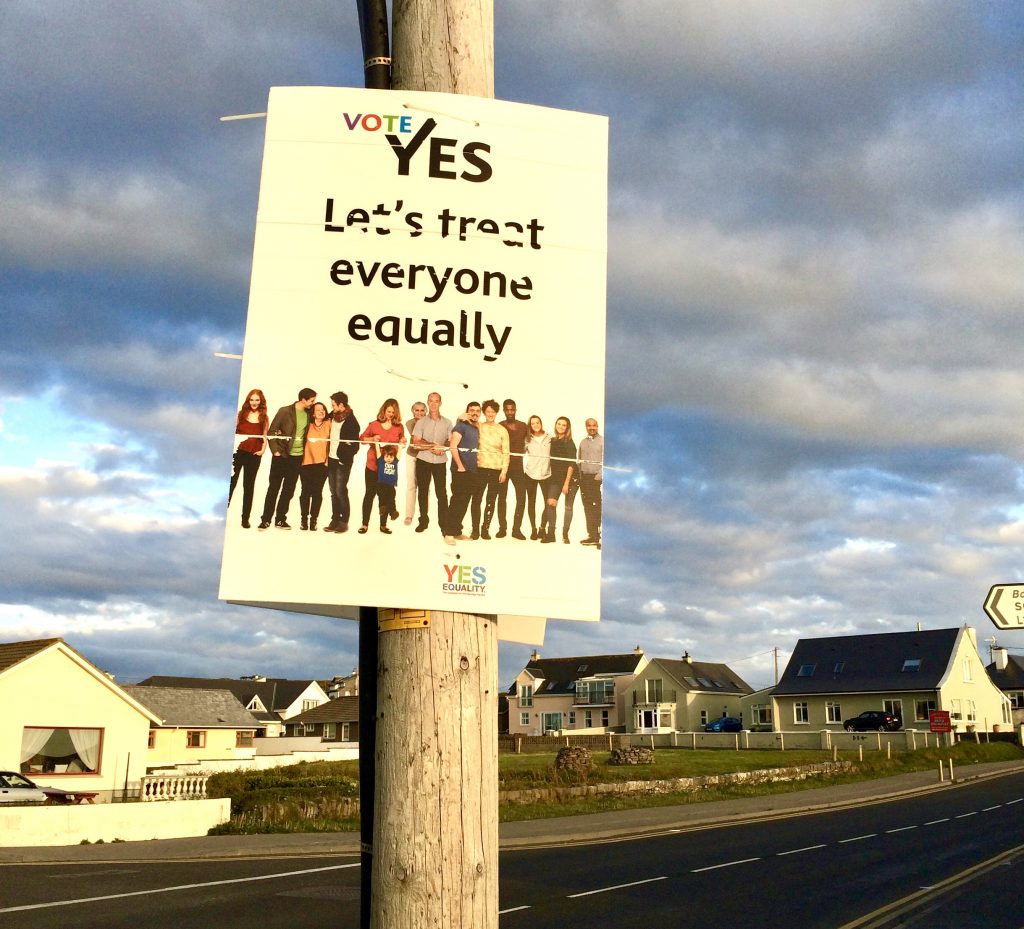
<p>She came away knowing that the Irish do a great many wonderful things with language—things that win Nobel prizes for literature and that change laws to ensure equal rights for all. It just so happens that saying <em>cowabunga</em> and <em>sure n’ begorrah</em> aren’t among then.</p>
<div id="attachment_28414" style="width: 570px" class="wp-caption alignright"><img loading="lazy" decoding="async" aria-describedby="caption-attachment-28414" class="wp-image-28414 size-large" src="https://www.oh-i-see.com/blog/wp-content/uploads/2017/06/fullsizeoutput_4170-1024x929.jpeg" alt="A sign in Lahinch, Ireland advocating for equal rights dispels cultural stereotypes tourists often have about traditional societies. (Image © Joyce McGreevy)" width="560" height="508" srcset="https://www.oh-i-see.com/blog/wp-content/uploads/2017/06/fullsizeoutput_4170-1024x929.jpeg 1024w, https://www.oh-i-see.com/blog/wp-content/uploads/2017/06/fullsizeoutput_4170-300x272.jpeg 300w, https://www.oh-i-see.com/blog/wp-content/uploads/2017/06/fullsizeoutput_4170-768x697.jpeg 768w, https://www.oh-i-see.com/blog/wp-content/uploads/2017/06/fullsizeoutput_4170-207x188.jpeg 207w" sizes="auto, (max-width: 560px) 100vw, 560px" /><p id="caption-attachment-28414" class="wp-caption-text">When we stereotype cultures—whether positively or negatively—we miss what&#8217;s real.<br /> © Joyce McGreevy (in Ireland)</p></div>
<p>I came away learning that 13-year-old girls who dare to ask imaginative questions deserve thoughtful answers.</p>
<p>Step 3 is to question our own assumptions. Once when a friend ranted about “loud Americans in their loud clothing,” I couldn’t resist pointing out that by the speaker’s own criteria, soft-spoken Americans who blended in were powerless to balance the cultural stereotype—they existed, but by definition, you’d never know it.</p>
<p>That’s the thing about cultural stereotypes. We can always find evidence to support them—but if we look past our first impressions and give each other a chance, maybe we can move beyond them.</p>
<p><em>Explore the Computer and Communications Museum of Ireland <a href="http://ccmireland.com" target="_blank" rel="noopener noreferrer">here</a>. </em></p>
<p><em><a href="#comments">Comment</a> on the post below, or inspire insight with your own OIC Moment </em><em><a href="https://www.oh-i-see.com/blog/your-oic-moments/">here</a>.</em></p>
{"id":28411,"date":"2017-06-05T03:00:27","date_gmt":"2017-06-05T10:00:27","guid":{"rendered":"http:\/\/ohisee.genweb.site\/blog\/?p=28411"},"modified":"2021-07-20T08:01:29","modified_gmt":"2021-07-20T15:01:29","slug":"quaintness-rudeness-and-bad-food","status":"publish","type":"post","link":"https:\/\/www.oh-i-see.com\/blog\/quaintness-rudeness-and-bad-food\/","title":{"rendered":"Quaintness, Rudeness, and Bad Food"},"content":{"rendered":"<div id=\"attachment_28442\" style=\"width: 585px\" class=\"wp-caption aligncenter\"><img loading=\"lazy\" decoding=\"async\" aria-describedby=\"caption-attachment-28442\" class=\"wp-image-28442\" src=\"https:\/\/www.oh-i-see.com\/blog\/wp-content\/uploads\/2019\/06\/fullsizeoutput_41a8-1024x768.jpeg\" alt=\"An urban view of the Grand Canal, Dublin counters cultural stereotypes of Ireland as \u201cquaint\u201d and \u201crural.\u201d (Image \u00a9 Joyce McGreevy)\" width=\"575\" height=\"431\" srcset=\"https:\/\/www.oh-i-see.com\/blog\/wp-content\/uploads\/2019\/06\/fullsizeoutput_41a8-1024x768.jpeg 1024w, https:\/\/www.oh-i-see.com\/blog\/wp-content\/uploads\/2019\/06\/fullsizeoutput_41a8-300x225.jpeg 300w, https:\/\/www.oh-i-see.com\/blog\/wp-content\/uploads\/2019\/06\/fullsizeoutput_41a8-768x576.jpeg 768w, https:\/\/www.oh-i-see.com\/blog\/wp-content\/uploads\/2019\/06\/fullsizeoutput_41a8-207x155.jpeg 207w\" sizes=\"auto, (max-width: 575px) 100vw, 575px\" \/><p id=\"caption-attachment-28442\" class=\"wp-caption-text\">Beyond quaintness and cottages: This, too, is Ireland. <br \/> \u00a9 Joyce McGreevy<\/p><\/div>\n<h2><strong>A Travel Guide to Cultural Stereotypes<\/strong><\/h2>\n<p>\u201cDo people in Ireland talk normal?\u201d the\u00a013-year-old\u00a0girl\u00a0asked me. \u201cYou know, do they say things like <em>cowabunga<\/em>?\u201d As cultural stereotypes go, this was one of the more intriguing. I\u2019d never thought of <em>cowabunga <\/em>as a barometer of normality.<\/p>\n<p><em>Cowabunga<\/em> is a bundle of cultural stereotypes. Considered\u00a0surfer slang, it\u2019s a word no real surfer would utter. But actors playing surfers on <em>Gidget<\/em>, a popular \u201860s TV show, used it frequently. In the \u201890s, animated series like <em>Teenage Mutant Ninja Turtles<\/em> and <em>The Simpsons<\/em> resurrected <em>cowabunga<\/em>.<\/p>\n<div id=\"attachment_28460\" style=\"width: 570px\" class=\"wp-caption aligncenter\"><img loading=\"lazy\" decoding=\"async\" aria-describedby=\"caption-attachment-28460\" class=\"wp-image-28460 size-large\" src=\"https:\/\/www.oh-i-see.com\/blog\/wp-content\/uploads\/2019\/06\/fullsizeoutput_41d1-1024x636.jpeg\" alt=\"A sign in Lahinch, Co. Clare shows that despite cultural stereotypes, surfing is popular in Ireland. (Image \u00a9 Joyce McGreevy)\" width=\"560\" height=\"348\" srcset=\"https:\/\/www.oh-i-see.com\/blog\/wp-content\/uploads\/2019\/06\/fullsizeoutput_41d1-1024x636.jpeg 1024w, https:\/\/www.oh-i-see.com\/blog\/wp-content\/uploads\/2019\/06\/fullsizeoutput_41d1-300x186.jpeg 300w, https:\/\/www.oh-i-see.com\/blog\/wp-content\/uploads\/2019\/06\/fullsizeoutput_41d1-768x477.jpeg 768w, https:\/\/www.oh-i-see.com\/blog\/wp-content\/uploads\/2019\/06\/fullsizeoutput_41d1-207x129.jpeg 207w\" sizes=\"auto, (max-width: 560px) 100vw, 560px\" \/><p id=\"caption-attachment-28460\" class=\"wp-caption-text\">In Co. Clare, Ireland, surf&#8217;s up, but stereotypes are out.\u00a0<br \/> \u00a9 Joyce McGreevy<\/p><\/div>\n<p>It began in 1953 as <em>cowa-bonga<\/em>, a phony Native American word used by a phony Native American character called Chief Thunderthud on <em>The Howdy Doody Show<\/em>. Not that anyone would have said Native American then.<\/p>\n<p>Today, we\u2019re more PC, yet cultural stereotypes persist.\u00a0Here are a few I&#8217;ve\u00a0encountered.<\/p>\n<h4><strong>Jollity On Demand<\/strong><\/h4>\n<p>\u201cPeople are so unfriendly there.\u201d This is one I hear a lot about Eastern Europe. Sometimes even from people who have been there.<\/p>\n<div id=\"attachment_28412\" style=\"width: 485px\" class=\"wp-caption aligncenter\"><img loading=\"lazy\" decoding=\"async\" aria-describedby=\"caption-attachment-28412\" class=\"wp-image-28412\" src=\"https:\/\/www.oh-i-see.com\/blog\/wp-content\/uploads\/2017\/06\/fullsizeoutput_417e-768x1024.jpeg\" alt=\"A statue\u00a0of\u00a0Tsar\u00a0Samuil in Sofia, Bulgaria embodies cultural stereotypes tourists often have about so-called unfriendly Eastern Europeans. (Image \u00a9 Joyce McGreevy)\" width=\"475\" height=\"633\" srcset=\"https:\/\/www.oh-i-see.com\/blog\/wp-content\/uploads\/2017\/06\/fullsizeoutput_417e-768x1024.jpeg 768w, https:\/\/www.oh-i-see.com\/blog\/wp-content\/uploads\/2017\/06\/fullsizeoutput_417e-225x300.jpeg 225w, https:\/\/www.oh-i-see.com\/blog\/wp-content\/uploads\/2017\/06\/fullsizeoutput_417e-155x207.jpeg 155w, https:\/\/www.oh-i-see.com\/blog\/wp-content\/uploads\/2017\/06\/fullsizeoutput_417e-300x400.jpeg 300w\" sizes=\"auto, (max-width: 475px) 100vw, 475px\" \/><p id=\"caption-attachment-28412\" class=\"wp-caption-text\">If this is your image of Eastern Europeans, you&#8217;re missing out royally.<br \/> \u00a9 Joyce McGreevy<\/p><\/div>\n<p>There are entire threads on travel forums devoted to the question of whether people in Eastern European countries are friendly. How does this alleged lack of friendliness manifest? Do Bulgarians spit in your soup, Croatians curse your birthplace, Montenegrins shove you aside to cut in line?<\/p>\n<p>None of the above. No, the Big Problem, say many first-time, short-stay visitors, is that Eastern Europeans don\u2019t smile enough.<\/p>\n<div id=\"attachment_28425\" style=\"width: 570px\" class=\"wp-caption aligncenter\"><img loading=\"lazy\" decoding=\"async\" aria-describedby=\"caption-attachment-28425\" class=\"wp-image-28425 size-large\" src=\"https:\/\/www.oh-i-see.com\/blog\/wp-content\/uploads\/2019\/06\/fullsizeoutput_419f-1024x972.jpeg\" alt=\"A smiling woman in Sofia, Bulgaria counters cultural stereotypes about so-called unfriendly Eastern Europeans. (Image \u00a9 Joyce McGreevy)\" width=\"560\" height=\"532\" srcset=\"https:\/\/www.oh-i-see.com\/blog\/wp-content\/uploads\/2019\/06\/fullsizeoutput_419f-1024x972.jpeg 1024w, https:\/\/www.oh-i-see.com\/blog\/wp-content\/uploads\/2019\/06\/fullsizeoutput_419f-300x285.jpeg 300w, https:\/\/www.oh-i-see.com\/blog\/wp-content\/uploads\/2019\/06\/fullsizeoutput_419f-768x729.jpeg 768w, https:\/\/www.oh-i-see.com\/blog\/wp-content\/uploads\/2019\/06\/fullsizeoutput_419f-207x196.jpeg 207w\" sizes=\"auto, (max-width: 560px) 100vw, 560px\" \/><p id=\"caption-attachment-28425\" class=\"wp-caption-text\">A smile is not a commodity, but a response. Take the time to engage, listen, and learn.\u00a0<br \/> \u00a9 Joyce McGreevy (in Sofia, Bulgaria)<\/p><\/div>\n<p>Let me see if I understand.\u00a0 We blitz through countries that for over 2,000 years have been invaded and occupied by everyone from the Goths to the Venetians to the Ottomans to the Soviets, yet we\u2019re surprised if the locals fail to greet us with instant warmth?<\/p>\n<div id=\"attachment_28415\" style=\"width: 310px\" class=\"wp-caption alignright\"><img loading=\"lazy\" decoding=\"async\" aria-describedby=\"caption-attachment-28415\" class=\"wp-image-28415\" src=\"https:\/\/www.oh-i-see.com\/blog\/wp-content\/uploads\/2017\/06\/fullsizeoutput_419b.jpeg\" alt=\"A smiling group of people in Sofia, Bulgaria counter cultural stereotypes about so-called unfriendly Eastern Europeans. (Image \u00a9 Joyce McGreevy)\" width=\"300\" height=\"283\" srcset=\"https:\/\/www.oh-i-see.com\/blog\/wp-content\/uploads\/2017\/06\/fullsizeoutput_419b.jpeg 288w, https:\/\/www.oh-i-see.com\/blog\/wp-content\/uploads\/2017\/06\/fullsizeoutput_419b-207x196.jpeg 207w\" sizes=\"auto, (max-width: 300px) 100vw, 300px\" \/><p id=\"caption-attachment-28415\" class=\"wp-caption-text\">Oh, those &#8220;unfriendly&#8221; Europeans! <br \/> \u00a9 Joyce McGreevy<\/p><\/div>\n<p>What if we decided to see what we could learn by practicing patience and respect for cultural differences?\u00a0 What if that which we\u00a0hastened to label \u201cunfriendliness\u201d was\u00a0simply reserve?<\/p>\n<p>As I\u00a0talk with people in their home countries, there often\u00a0comes a moment when the conversation shifts from a basic exchange of information into genuine connection. Those moments are why we\u00a0travel.<\/p>\n<p>Such moments don\u2019t come instantaneously.<\/p>\n<p>But what about instances of undeniable, <em>cannot-believe-they-said-that<\/em> rudeness?<\/p>\n<p>Let me ask you: Have you ever encountered rudeness in your own country? And if so, did you extrapolate from said rudeness that everyone in your country must be rude? (Except you of course.) I\u2019m guessing not.<\/p>\n<p><strong>Oh, I see<\/strong>: Wherever we go, whoever we meet, we\u2019re complex individuals interacting with other complex individuals.<\/p>\n<div id=\"attachment_28418\" style=\"width: 570px\" class=\"wp-caption aligncenter\"><img loading=\"lazy\" decoding=\"async\" aria-describedby=\"caption-attachment-28418\" class=\"size-large wp-image-28418\" src=\"https:\/\/www.oh-i-see.com\/blog\/wp-content\/uploads\/2017\/06\/fullsizeoutput_4188-1024x768.jpeg\" alt=\"alt tk\" width=\"560\" height=\"420\" srcset=\"https:\/\/www.oh-i-see.com\/blog\/wp-content\/uploads\/2017\/06\/fullsizeoutput_4188-1024x768.jpeg 1024w, https:\/\/www.oh-i-see.com\/blog\/wp-content\/uploads\/2017\/06\/fullsizeoutput_4188-300x225.jpeg 300w, https:\/\/www.oh-i-see.com\/blog\/wp-content\/uploads\/2017\/06\/fullsizeoutput_4188-768x576.jpeg 768w, https:\/\/www.oh-i-see.com\/blog\/wp-content\/uploads\/2017\/06\/fullsizeoutput_4188-207x155.jpeg 207w\" sizes=\"auto, (max-width: 560px) 100vw, 560px\" \/><p id=\"caption-attachment-28418\" class=\"wp-caption-text\">Good things happen when we remember we&#8217;re all in the human race together.<br \/>\u00a9 Joyce McGreevy (in Copenhagen, Denmark)<\/p><\/div>\n<h4><strong>Dishing the Dirt<\/strong><\/h4>\n<p>Food stereotypes make me do a slow boil.\u00a0According to food stereotypes, Chicagoans are obsessed with deep-dish pizza, the Nordic diet consists solely of pickled fish, Tuscan food is overindulgent, and Irish cuisine is a contradiction in terms.<\/p>\n<div id=\"attachment_28436\" style=\"width: 260px\" class=\"wp-caption alignleft\"><img loading=\"lazy\" decoding=\"async\" aria-describedby=\"caption-attachment-28436\" class=\"wp-image-28436\" src=\"https:\/\/www.oh-i-see.com\/blog\/wp-content\/uploads\/2019\/06\/IMG_2986-e1496528083988-225x300.jpg\" alt=\"A sign advertising tacos in Copenhagen counters cultural stereotypes about dining in Denmark. (Image \u00a9 Joyce McGreevy)\" width=\"250\" height=\"333\" srcset=\"https:\/\/www.oh-i-see.com\/blog\/wp-content\/uploads\/2019\/06\/IMG_2986-e1496528083988-225x300.jpg 225w, https:\/\/www.oh-i-see.com\/blog\/wp-content\/uploads\/2019\/06\/IMG_2986-e1496528083988-768x1024.jpg 768w, https:\/\/www.oh-i-see.com\/blog\/wp-content\/uploads\/2019\/06\/IMG_2986-e1496528083988-155x207.jpg 155w, https:\/\/www.oh-i-see.com\/blog\/wp-content\/uploads\/2019\/06\/IMG_2986-e1496528083988-300x400.jpg 300w\" sizes=\"auto, (max-width: 250px) 100vw, 250px\" \/><p id=\"caption-attachment-28436\" class=\"wp-caption-text\">From tacos to traditional Nordic&#8230;<br \/> \u00a9 Joyce McGreevy<\/p><\/div>\n<div id=\"attachment_28434\" style=\"width: 260px\" class=\"wp-caption alignleft\"><img loading=\"lazy\" decoding=\"async\" aria-describedby=\"caption-attachment-28434\" class=\"wp-image-28434\" src=\"https:\/\/www.oh-i-see.com\/blog\/wp-content\/uploads\/2019\/06\/fullsizeoutput_4192-225x300.jpeg\" alt=\"A sandwich and beer in Aarhus inspire a writer to dispel cultural stereotypes about Danish cuisine. (Image \u00a9 Joyce McGreevy)\" width=\"250\" height=\"333\" srcset=\"https:\/\/www.oh-i-see.com\/blog\/wp-content\/uploads\/2019\/06\/fullsizeoutput_4192-225x300.jpeg 225w, https:\/\/www.oh-i-see.com\/blog\/wp-content\/uploads\/2019\/06\/fullsizeoutput_4192-768x1024.jpeg 768w, https:\/\/www.oh-i-see.com\/blog\/wp-content\/uploads\/2019\/06\/fullsizeoutput_4192-155x207.jpeg 155w, https:\/\/www.oh-i-see.com\/blog\/wp-content\/uploads\/2019\/06\/fullsizeoutput_4192-300x400.jpeg 300w\" sizes=\"auto, (max-width: 250px) 100vw, 250px\" \/><p id=\"caption-attachment-28434\" class=\"wp-caption-text\">food is\u00a0deliciously diverse in Denmark!<br \/> \u00a9 Joyce McGreevy<\/p><\/div>\n<p>Only it\u2019s just not true.<\/p>\n<p>Tuscany is where I learned how to transform leftovers into frugal\u00a0feasts. Today\u2019s Nordic menus are wildly diverse.\u00a0 Deep dish? <em>Pull-eeze.<\/em> Chicago\u2019s 77 neighborhoods offer a world tour of culinary traditions.<\/p>\n<h4><strong>When Things Change, But Stereotypes Persist<\/strong><\/h4>\n<p>As for Ireland, oh what a drubbing it once took from critics. \u201cThe drama of Irish cuisine is not that it is bad. It\u2019s that the Irish believe it is very good.\u201d \u00a0So sneered the authors of a French travel guide in 1964.<\/p>\n<div id=\"attachment_28430\" style=\"width: 570px\" class=\"wp-caption aligncenter\"><img loading=\"lazy\" decoding=\"async\" aria-describedby=\"caption-attachment-28430\" class=\"wp-image-28430 size-large\" src=\"https:\/\/www.oh-i-see.com\/blog\/wp-content\/uploads\/2019\/06\/fullsizeoutput_4172-1024x429.jpeg\" alt=\"Good Things Caf\u00e9 &amp; Cookery School in Skibbereen, Co. Cork counters cultural stereotypes about dining in Ireland. (Image \u00a9 Joyce McGreevy)\" width=\"560\" height=\"235\" srcset=\"https:\/\/www.oh-i-see.com\/blog\/wp-content\/uploads\/2019\/06\/fullsizeoutput_4172-1024x429.jpeg 1024w, https:\/\/www.oh-i-see.com\/blog\/wp-content\/uploads\/2019\/06\/fullsizeoutput_4172-300x126.jpeg 300w, https:\/\/www.oh-i-see.com\/blog\/wp-content\/uploads\/2019\/06\/fullsizeoutput_4172-768x322.jpeg 768w, https:\/\/www.oh-i-see.com\/blog\/wp-content\/uploads\/2019\/06\/fullsizeoutput_4172-207x87.jpeg 207w\" sizes=\"auto, (max-width: 560px) 100vw, 560px\" \/><p id=\"caption-attachment-28430\" class=\"wp-caption-text\">Good Things Caf\u00e9 &amp; Cookery School typifies today&#8217;s Irish cuisine: organic and artfully prepared. <br \/> \u00a9 Joyce McGreevy (in Skibbereen, Co. Cork)<\/p><\/div>\n<p>Today,\u00a0Irish chefs\u00a0and home cooks are transforming\u00a0organic resources, artisanal traditions, and creative innovation into superb everyday dining experiences.<\/p>\n<p>But outdated cultural stereotypes\u00a0stick like burned rice.<\/p>\n<div id=\"attachment_28432\" style=\"width: 570px\" class=\"wp-caption aligncenter\"><img loading=\"lazy\" decoding=\"async\" aria-describedby=\"caption-attachment-28432\" class=\"wp-image-28432 size-large\" src=\"https:\/\/www.oh-i-see.com\/blog\/wp-content\/uploads\/2019\/06\/fullsizeoutput_4168-1024x765.jpeg\" alt=\"People enjoying home cooking in Galway counter cultural stereotypes about Irish cuisine. (Image \u00a9 Joyce McGreevy)\" width=\"560\" height=\"418\" srcset=\"https:\/\/www.oh-i-see.com\/blog\/wp-content\/uploads\/2019\/06\/fullsizeoutput_4168-1024x765.jpeg 1024w, https:\/\/www.oh-i-see.com\/blog\/wp-content\/uploads\/2019\/06\/fullsizeoutput_4168-300x224.jpeg 300w, https:\/\/www.oh-i-see.com\/blog\/wp-content\/uploads\/2019\/06\/fullsizeoutput_4168-768x574.jpeg 768w, https:\/\/www.oh-i-see.com\/blog\/wp-content\/uploads\/2019\/06\/fullsizeoutput_4168-207x155.jpeg 207w\" sizes=\"auto, (max-width: 560px) 100vw, 560px\" \/><p id=\"caption-attachment-28432\" class=\"wp-caption-text\">Despite the stereotypes, Corned Beef &amp; Cabbage was\u00a0never popular in Ireland. <br \/> Try homemade\u00a0p\u00e2t\u00e9, fresh-baked breads, and local cheeses.\u00a0<br \/> \u00a9 Joyce McGreevy<\/p><\/div>\n<h4><strong>The Quaintness Stereotype<\/strong><\/h4>\n<p>One of the most entrenched stereotypes is the idea that whatever country \u201cwe\u201d are from is always ahead of the curve, while &#8220;those other&#8221; countries struggle to catch up.<\/p>\n<p>When I was living\u00a0in Ireland, some\u00a0American friends would say, \u201cYou don\u2019t have electricity there, right?\u201d\u00a0I hasten to add this was in the 1980s, not the 1880s.<\/p>\n<p>\u201cThat&#8217;s right,\u201d I\u2019d chirp.\u00a0\u201cWe line the airport runways with candles and flap our\u00a0auld arms for takeoff.\u201d<\/p>\n<div id=\"attachment_28448\" style=\"width: 570px\" class=\"wp-caption aligncenter\"><img loading=\"lazy\" decoding=\"async\" aria-describedby=\"caption-attachment-28448\" class=\"wp-image-28448 size-large\" src=\"https:\/\/www.oh-i-see.com\/blog\/wp-content\/uploads\/2019\/06\/FullSizeRender1-2-1024x1010.jpg\" alt=\"People at a digital archiving class in Clifden counter cultural stereotypes about Ireland, a leader in technology. (Image \u00a9 Brendan \u201cSpeedie\u201d Smith)\" width=\"560\" height=\"552\" srcset=\"https:\/\/www.oh-i-see.com\/blog\/wp-content\/uploads\/2019\/06\/FullSizeRender1-2-1024x1010.jpg 1024w, https:\/\/www.oh-i-see.com\/blog\/wp-content\/uploads\/2019\/06\/FullSizeRender1-2-300x296.jpg 300w, https:\/\/www.oh-i-see.com\/blog\/wp-content\/uploads\/2019\/06\/FullSizeRender1-2-768x758.jpg 768w, https:\/\/www.oh-i-see.com\/blog\/wp-content\/uploads\/2019\/06\/FullSizeRender1-2-207x204.jpg 207w\" sizes=\"auto, (max-width: 560px) 100vw, 560px\" \/><p id=\"caption-attachment-28448\" class=\"wp-caption-text\">In Clifden, Ireland, neighbors\u00a0gather to digitize, tag, and annotate images of days gone by. <br \/> \u00a9 Brendan &#8220;Speedie&#8221; Smith<\/p><\/div>\n<p>In fact, my first job in Ireland is what introduced me to technology. Back in the \u201870s, many a Galway University graduate worked by computer. The Irish have always been early adapters and innovators of technology, which plays a critical role in the economy.<\/p>\n<div id=\"attachment_28449\" style=\"width: 570px\" class=\"wp-caption aligncenter\"><img loading=\"lazy\" decoding=\"async\" aria-describedby=\"caption-attachment-28449\" class=\"wp-image-28449 size-large\" src=\"https:\/\/www.oh-i-see.com\/blog\/wp-content\/uploads\/2019\/06\/IMG_3107-2-1024x768.jpg\" alt=\"Students in a coding and app making class in Galway counter cultural stereotypes about Ireland, a leader in technology. (Image \u00a9 Brendan \u201cSpeedie\u201d Smith)\" width=\"560\" height=\"420\" srcset=\"https:\/\/www.oh-i-see.com\/blog\/wp-content\/uploads\/2019\/06\/IMG_3107-2-1024x768.jpg 1024w, https:\/\/www.oh-i-see.com\/blog\/wp-content\/uploads\/2019\/06\/IMG_3107-2-300x225.jpg 300w, https:\/\/www.oh-i-see.com\/blog\/wp-content\/uploads\/2019\/06\/IMG_3107-2-768x576.jpg 768w, https:\/\/www.oh-i-see.com\/blog\/wp-content\/uploads\/2019\/06\/IMG_3107-2-207x155.jpg 207w, https:\/\/www.oh-i-see.com\/blog\/wp-content\/uploads\/2019\/06\/IMG_3107-2.jpg 2016w\" sizes=\"auto, (max-width: 560px) 100vw, 560px\" \/><p id=\"caption-attachment-28449\" class=\"wp-caption-text\">In Ireland, app-making and coding are part of primary (elementary) school curricula. <br \/> \u00a9 Brendan &#8220;Speedie&#8221; Smith<\/p><\/div>\n<p>Likewise, texting was commonplace in Europe and Asia long before it caught on in the U.S. As Scott Campbell, professor of telecommunications at the University of Michigan explained in a 2012 CNN interview, texting was slow to take off in America because differing networks did not work well together in the early days of mobile communication.\u201d<\/p>\n<div id=\"attachment_28440\" style=\"width: 570px\" class=\"wp-caption aligncenter\"><img loading=\"lazy\" decoding=\"async\" aria-describedby=\"caption-attachment-28440\" class=\"wp-image-28440 size-large\" src=\"https:\/\/www.oh-i-see.com\/blog\/wp-content\/uploads\/2019\/06\/fullsizeoutput_f1a-1024x654.jpeg\" alt=\"A woman using a smartphone in Sofia, Bulgaria counters cultural stereotypes about Eastern Europeans and technology. (Image \u00a9 Joyce McGreevy)\" width=\"560\" height=\"358\" srcset=\"https:\/\/www.oh-i-see.com\/blog\/wp-content\/uploads\/2019\/06\/fullsizeoutput_f1a-1024x654.jpeg 1024w, https:\/\/www.oh-i-see.com\/blog\/wp-content\/uploads\/2019\/06\/fullsizeoutput_f1a-300x192.jpeg 300w, https:\/\/www.oh-i-see.com\/blog\/wp-content\/uploads\/2019\/06\/fullsizeoutput_f1a-768x491.jpeg 768w, https:\/\/www.oh-i-see.com\/blog\/wp-content\/uploads\/2019\/06\/fullsizeoutput_f1a-207x132.jpeg 207w\" sizes=\"auto, (max-width: 560px) 100vw, 560px\" \/><p id=\"caption-attachment-28440\" class=\"wp-caption-text\">As of 2017, 97% of Bulgarians use cellphones, compared to 95% of Americans. <br \/> \u00a9 Joyce McGreevy<\/p><\/div>\n<p><strong>An End to Cultural Stereotypes<\/strong><br \/>\nSo how do we put an end to cultural stereotypes? In fairness to the <em>cowabunga<\/em> girl, she didn&#8217;t make pronouncements, she\u00a0asked questions. More important, she listened to the answers.<\/p>\n<p>So that\u2019s 1 and 2 right there.<\/p>\n<p>She came away knowing that the Irish do a great many wonderful things with language\u2014things that win Nobel prizes for literature and that change laws to ensure equal rights for all. It just so happens that saying <em>cowabunga<\/em> and <em>sure n\u2019 begorrah<\/em> aren\u2019t among then.<\/p>\n<div id=\"attachment_28414\" style=\"width: 570px\" class=\"wp-caption alignright\"><img loading=\"lazy\" decoding=\"async\" aria-describedby=\"caption-attachment-28414\" class=\"wp-image-28414 size-large\" src=\"https:\/\/www.oh-i-see.com\/blog\/wp-content\/uploads\/2017\/06\/fullsizeoutput_4170-1024x929.jpeg\" alt=\"A sign in Lahinch, Ireland advocating for equal rights dispels cultural stereotypes tourists often have about traditional societies. (Image \u00a9 Joyce McGreevy)\" width=\"560\" height=\"508\" srcset=\"https:\/\/www.oh-i-see.com\/blog\/wp-content\/uploads\/2017\/06\/fullsizeoutput_4170-1024x929.jpeg 1024w, https:\/\/www.oh-i-see.com\/blog\/wp-content\/uploads\/2017\/06\/fullsizeoutput_4170-300x272.jpeg 300w, https:\/\/www.oh-i-see.com\/blog\/wp-content\/uploads\/2017\/06\/fullsizeoutput_4170-768x697.jpeg 768w, https:\/\/www.oh-i-see.com\/blog\/wp-content\/uploads\/2017\/06\/fullsizeoutput_4170-207x188.jpeg 207w\" sizes=\"auto, (max-width: 560px) 100vw, 560px\" \/><p id=\"caption-attachment-28414\" class=\"wp-caption-text\">When we stereotype cultures\u2014whether positively or negatively\u2014we miss what&#8217;s\u00a0real.<br \/> \u00a9 Joyce McGreevy (in Ireland)<\/p><\/div>\n<p>I came away learning that 13-year-old girls\u00a0who dare to ask imaginative questions deserve thoughtful answers.<\/p>\n<p>Step 3 is to question our own assumptions. Once when a friend ranted about \u201cloud Americans in their loud clothing,\u201d I couldn\u2019t resist pointing out that by the speaker\u2019s own criteria, soft-spoken Americans who blended in were powerless to balance the cultural stereotype\u2014they existed, but by definition, you\u2019d never know it.<\/p>\n<p>That\u2019s the thing about cultural stereotypes. We can always find evidence to support them\u2014but if we look past\u00a0our first impressions and give each other a chance, maybe we can move beyond them.<\/p>\n<p><em>Explore\u00a0the Computer and Communications Museum of Ireland\u00a0<a href=\"http:\/\/ccmireland.com\" target=\"_blank\" rel=\"noopener noreferrer\">here<\/a>.\u00a0<\/em><\/p>\n<p><em><a href=\"#comments\">Comment<\/a> on the post below,\u00a0or inspire insight with your own\u00a0OIC Moment\u00a0<\/em><em><a href=\"https:\/\/www.oh-i-see.com\/blog\/your-oic-moments\/\">here<\/a>.<\/em><\/p>\n","protected":false},"excerpt":{"rendered":null,"protected":false},"author":15,"featured_media":28412,"comment_status":"closed","ping_status":"open","sticky":false,"template":"","format":"standard","meta":{"footnotes":""},"categories":[202,125,227],"tags":[],"class_list":["post-28411","post","type-post","status-publish","format-standard","has-post-thumbnail","hentry","category-lessons-life","category-stereotypes-culture","category-worldwide-mappoints"],"aioseo_notices":[],"_links":{"self":[{"href":"https:\/\/www.oh-i-see.com\/blog\/wp-json\/wp\/v2\/posts\/28411","targetHints":{"allow":["GET"]}}],"collection":[{"href":"https:\/\/www.oh-i-see.com\/blog\/wp-json\/wp\/v2\/posts"}],"about":[{"href":"https:\/\/www.oh-i-see.com\/blog\/wp-json\/wp\/v2\/types\/post"}],"author":[{"embeddable":true,"href":"https:\/\/www.oh-i-see.com\/blog\/wp-json\/wp\/v2\/users\/15"}],"replies":[{"embeddable":true,"href":"https:\/\/www.oh-i-see.com\/blog\/wp-json\/wp\/v2\/comments?post=28411"}],"version-history":[{"count":35,"href":"https:\/\/www.oh-i-see.com\/blog\/wp-json\/wp\/v2\/posts\/28411\/revisions"}],"predecessor-version":[{"id":28470,"href":"https:\/\/www.oh-i-see.com\/blog\/wp-json\/wp\/v2\/posts\/28411\/revisions\/28470"}],"wp:featuredmedia":[{"embeddable":true,"href":"https:\/\/www.oh-i-see.com\/blog\/wp-json\/wp\/v2\/media\/28412"}],"wp:attachment":[{"href":"https:\/\/www.oh-i-see.com\/blog\/wp-json\/wp\/v2\/media?parent=28411"}],"wp:term":[{"taxonomy":"category","embeddable":true,"href":"https:\/\/www.oh-i-see.com\/blog\/wp-json\/wp\/v2\/categories?post=28411"},{"taxonomy":"post_tag","embeddable":true,"href":"https:\/\/www.oh-i-see.com\/blog\/wp-json\/wp\/v2\/tags?post=28411"}],"curies":[{"name":"wp","href":"https:\/\/api.w.org\/{rel}","templated":true}]}}